 Pocket Change
Dec 2011 – Jun 2013 5 min read
Pocket Change: hire #5
A couple of months into my contract at InMobi, I got recruited to join a tiny startup called Pocket Change. It was the fifth company to offer me a role, but this one felt different. It had a small team, a big idea and backing from Google Ventures, First Round Capital, David Sacks and a handful of SF's best angels. I said yes and became the fifth hire, with the title Developer Relations.
Pocket Change (originally called Lunch Money) was building a universal virtual currency for mobile apps and games. Think American Express points, but for your phone. Developers integrated our SDK (the bit of code that plugs a service into an app), users earned tokens for engagement (playing games, completing actions, inviting friends), and they redeemed those tokens for real rewards in our marketplace. Each token was worth $0.01, and a proprietary algorithm set the payouts based on user behavior. The pitch was retention through real value, so users had a reason to come back that had nothing to do with ads.
The company was co-founded by Ari Mir (who previously built GumGum, the world's largest in-image ad network) and Amos Elliston (former CTO of Geni and an early engineer at Yammer). They had raised $1M in seed funding and were getting ready to scale.
Getting to work
My first day was December 19, 2011, and by December 22 I was already cold-emailing Android game developers and pitching our Token System. The value prop was simple: 2 to 3x the revenue of premium app pricing and ad networks, with $5 RPMs (revenue per 1,000 impressions). I reported to Wally Nguyen, SVP of Business Development, and my job was to get as many publishers integrated as possible.
I spent my days prospecting developers on LinkedIn (I was so active they flagged my account for going over the invitation limit), pitching on Skype calls, managing our pipeline in Salesforce and supporting SDK integrations. A lot of the job happened after the deal closed. I sat with developers to understand how people used their apps, helped them figure out the best placement for our rewards and made sure the integration actually worked.
One of the clients I'm most proud of landing was Sebastien Borget at Pixowl, who was building a game called The Sandbox. We integrated Pocket Change rewards into it, and the game ended up featured on both the Apple App Store and Google Play. Working with Sebastien taught me a lot about what a great developer partnership looks like.
Fun fact: The Sandbox is now a massive metaverse platform with over 8 million users and 400,000 creators, and brands like Adidas, Gucci and Snoop Dogg have all built virtual experiences inside it.
Scaling up
At its peak, Pocket Change had over 10 million users and over 1 million daily active users, a number the whole team built together. Over 300 Android apps ran our SDK, and no single app made up more than 10% of the network. That spread was intentional, and I helped build it through broad outreach across verticals. We started with games, but I pushed us into messaging apps, radio apps and utility apps. Anywhere people were engaged, there was a case for Pocket Change.
I also got my first real taste of management here. I hired and led two sales associates, coached them through the chaos of a fast-growing startup and watched them beat their targets.
As the team grew, my title became Developer Relations Manager and the job stretched well past business development. I worked across teams, sat in on product sprints, dug into usage data and helped shape the roadmap. Every week I sent a "Weekly Dev Relations Wrap Up" covering pipeline activity, new integrations and what I was hearing from developers in the field. That feedback loop between sales and product is something I've carried into every role since.
The office
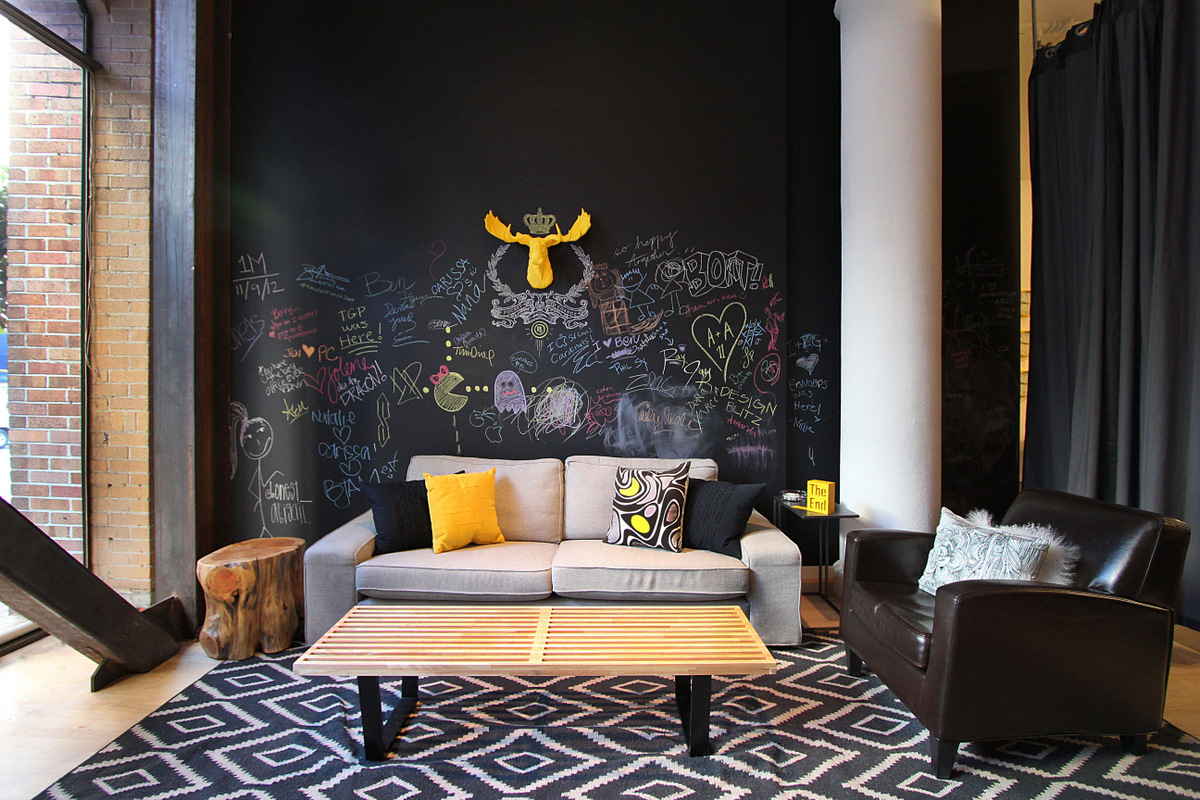
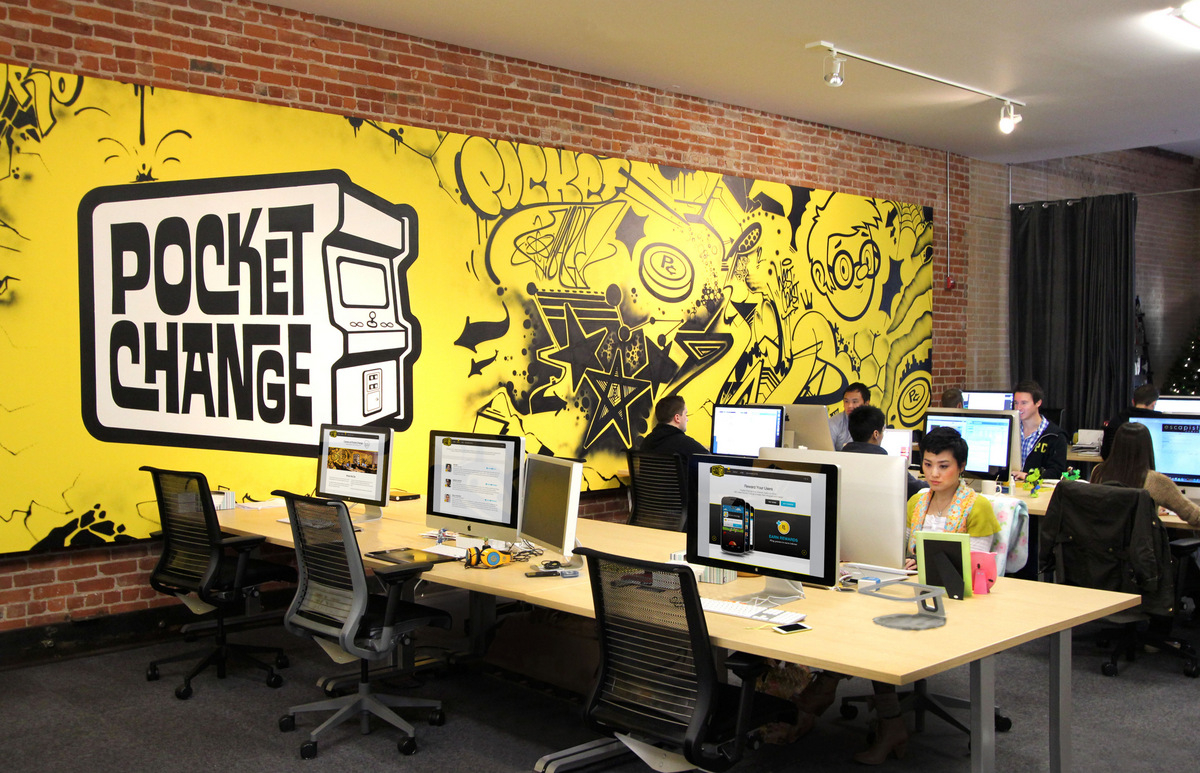
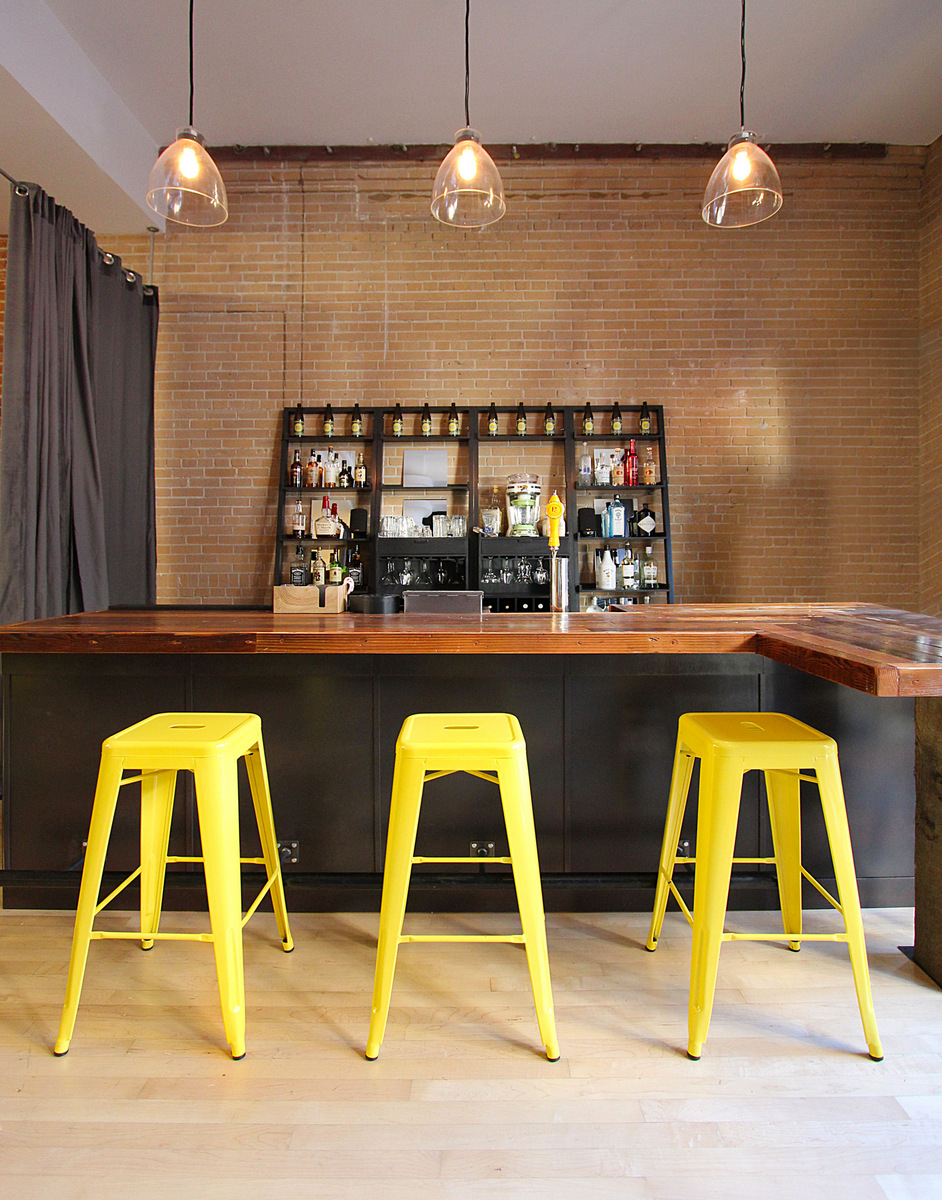
In the summer of 2012 we moved into 657 Howard Street in SOMA. Blitz Architecture designed it, and it felt exactly like a startup should feel. Brick walls, big windows flooding the space with natural light, open desks (nobody had a private office) and a communal dining area where the whole team ate family-style. There was even a custom bar visible from the street with a moose trophy on the wall. The whole thing was built in under six weeks. Looking back, it was an extravagant office for a company with no plan for revenue, but it was a great place to show up to every morning.
The end
In July 2012 we announced a $5M Series A led by Google Ventures, and after that we grew extremely fast. Headcount went to nearly 30 within a year and we moved into that office. Growth was the only goal and revenue was nowhere on the roadmap. So when the company finally switched the dial from growth to revenue, performance wasn't good. By then I was motivated to move on. The company shut down some time after I left.
My last days there fell at the turn of May and June 2013. I was in conversations with Onavo, SponsorPay, First Round Capital (for a Platform Experience role), Grow Mobile and Supersonic, and several turned into offers. The CEO of Grow Mobile, Brendan Lyall, told me I had been "a huge factor in Pocket Change's early growth." That meant a lot.
I chose Supersonic, which is where I met Gustav, and that road ran through ironSource to Pixly. But Pocket Change was where the foundation got poured.
What I took with me
Pocket Change gave me my first real experience with startup speed. I learned how to build pipeline from nothing, how to hire and manage a team while still figuring things out myself, and how to work across functions when there aren't enough people for anyone to stay in their lane.
It also showed me what happens when a company spends its Series A with no plan for revenue. That stuck with me (more than any of the wins did), and it's a big reason I ran Pixly with no outside money.