 Pixly
Pixly
Mar 2017 – Apr 2025 8 min read
Building Pixly: from a cafe to acquisition
Late 2016. Gustav and I were taking daily lunch walks around the ironSource office, just riffing on business ideas. We kept circling back to the same problem: every gaming company on the planet (Supercell, Machine Zone, GameLoft) was competing for the exact same users on the exact same ad networks. Facebook CPMs through the roof, Google getting more expensive by the quarter. All these brands fighting over the same male 13+, English-speaking, mobile gamer demographic, and just driving each other's costs up.
Gustav and I looked at each other and basically said, "What if we took everything we know about performance marketing and applied it to influencer marketing?" Content creators had these massive, loyal audiences. People who actually trusted their recommendations.
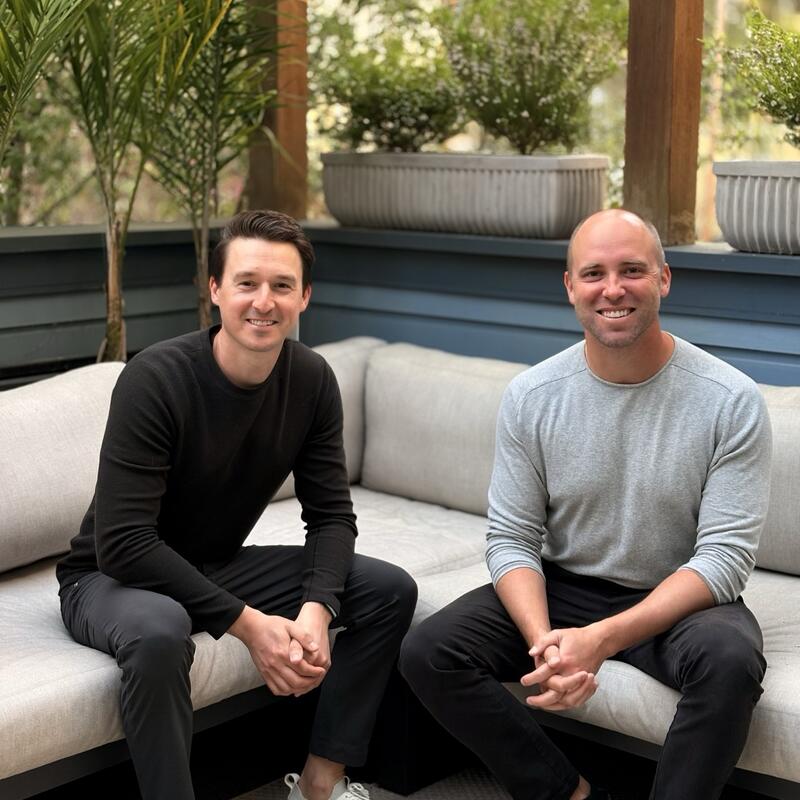
That was the whole pitch. We called it Pixly, and we started grinding out of Workshop Cafe in San Francisco. Two people, no funding, no safety net.
The first move was Gustav's cold email to Machine Zone in late 2016, pitching what he called "Direct Influencer Campaigns" — no deck, no warm intro, just a note from a no-name two-person shop. While he worked that side of the door, I was already on the phone with TUNE/HasOffers, hammering out the tracking and attribution integration I knew the pitch would eventually rest on.
The Battlecats (where it all started)
Our first real test was a mobile game called The Battlecats, published by PONOS. Gustav and I spent six months manually building a database of YouTube creators. Channel names, URLs, subscriber counts, average views, engagement metrics. All entered by hand. We analyzed tens of thousands of influencers, one by one, looking for the best creator-to-cost ratios we could find.
We landed on this emerging creator called Reaction Time. Never done a sponsorship before, priced reasonably, audience that matched perfectly. That first video took off. Tens of thousands of clicks, real conversions, strong ROAS. The flywheel clicked: viewers became players, players became spenders, spenders funded more marketing budget. Behind Reaction Time, the early Battlecats roster filled out with Guava Juice, MessYourself, and LaurDIY — emerging creators who each brought a different audience flavor, every one of them entered into our hand-built spreadsheet before they ever appeared on a contract.
We had proof this thing worked.
The attribution moat
The part of those first months I almost never talk about is the unsexy work that actually made early publishers trust us. While Gustav was meeting creators and closing campaigns, I was deep in the TUNE/HasOffers integration, building tracking links, postback URLs, install attribution, and conversion windows — the plumbing that turned a creator activation into a measurable performance channel. Influencer marketing in 2016 mostly ran on screenshots and vibes, but when a publisher asked us which video drove which install, we had a real answer in real time, and that accountability turned out to be the moat, not the creator list.
Almost didn't make it
Here's a part of the story I don't talk about much. After I left ironSource to go full-time on Pixly, Gustav was supposed to join a month later. Then he and his wife found out they had a baby on the way. Suddenly there was real pressure to make this work, and fast.
The company wasn't generating enough to sustain us. Gustav told me straight up: if revenue didn't pick up soon, we might have to shut it down. So we scraped together what we had and flew to the Postback marketing conference in Seattle (July 2017) to meet potential clients.
That trip changed everything.
The Fortnite break
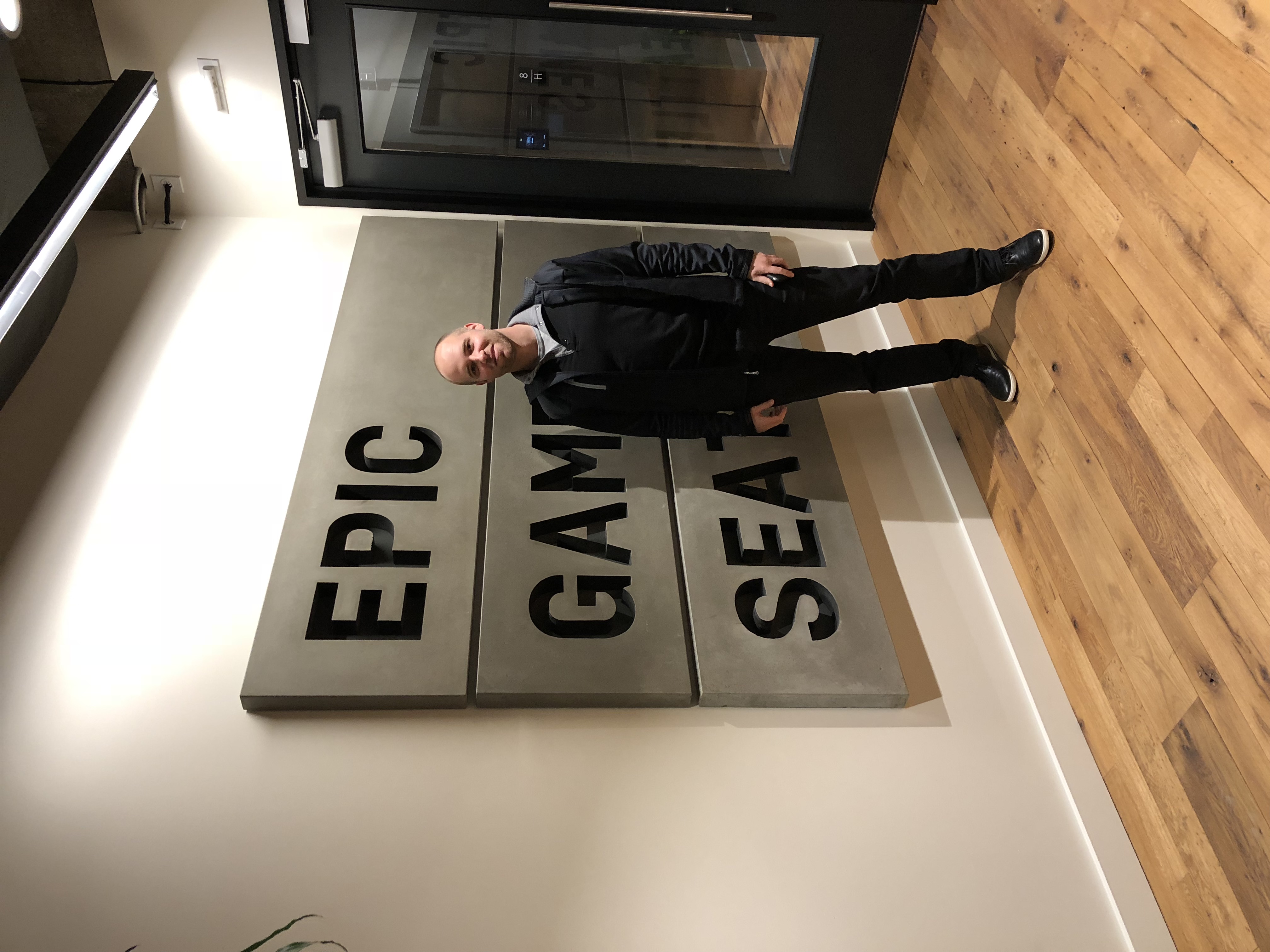
At Postback, we met the team at Epic Games. They were working on Fortnite Save the World, a game six years in development. Then, one week before launch, Epic pivoted the whole thing to a free-to-play Battle Royale mode with a way bigger budget.
The early challenge was real: influencers didn't want to touch it. Cartoon graphics, a weird building mechanic, and everyone was already playing PUBG. We had to grind through that skepticism, focusing on shooter-genre creators (PUBG and Call of Duty types) and convincing them to just give Fortnite a shot. The first wave came from names like Fitz and NoahJ456, and we started with 50 to 100 influencer activations a month. Then something wild happened: viewers started demanding more Fortnite content, creators' Fortnite videos were outperforming everything else on their channels, and influencers voluntarily converted their whole channels to Fortnite content. We scaled to 500 influencers a month and brought on Wilbur Soot, eventually MrBeast Gaming, and dozens more, expanding beyond shooters into Minecraft, Roblox, lifestyle, and vlogging. The other deliberate wedge was geographic: while every other agency was knife-fighting over the saturated English-speaking audience, we pushed hard into Latin America, MENA, and non-English European markets, promoting Fortnite mobile and driving millions of downloads globally.
By January 2018, we'd hit 1 million Fortnite installs. That one put us on the map in a big way.
Building the machine
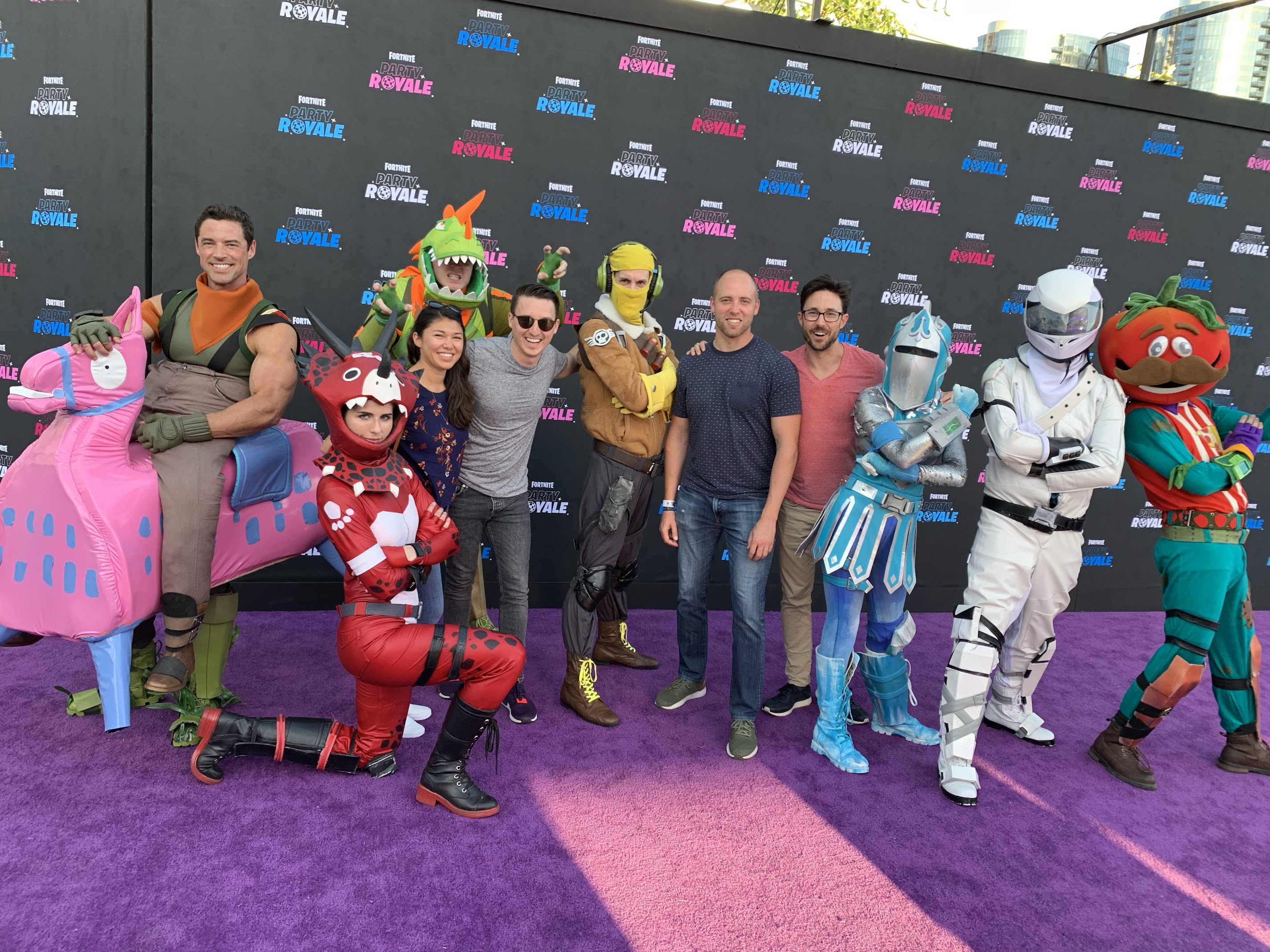
In early 2018, we brought on Zach as CTO to build out our tracking software and performance analytics systems. Hired Berkeley interns to keep up with the volume of activations. Then Garrett came on for Partnerships, Monica for campaign management, and from there: Austin, Josh, Mitch, Jackie, Ewic, Morgan, Ryan, Michael, and others.
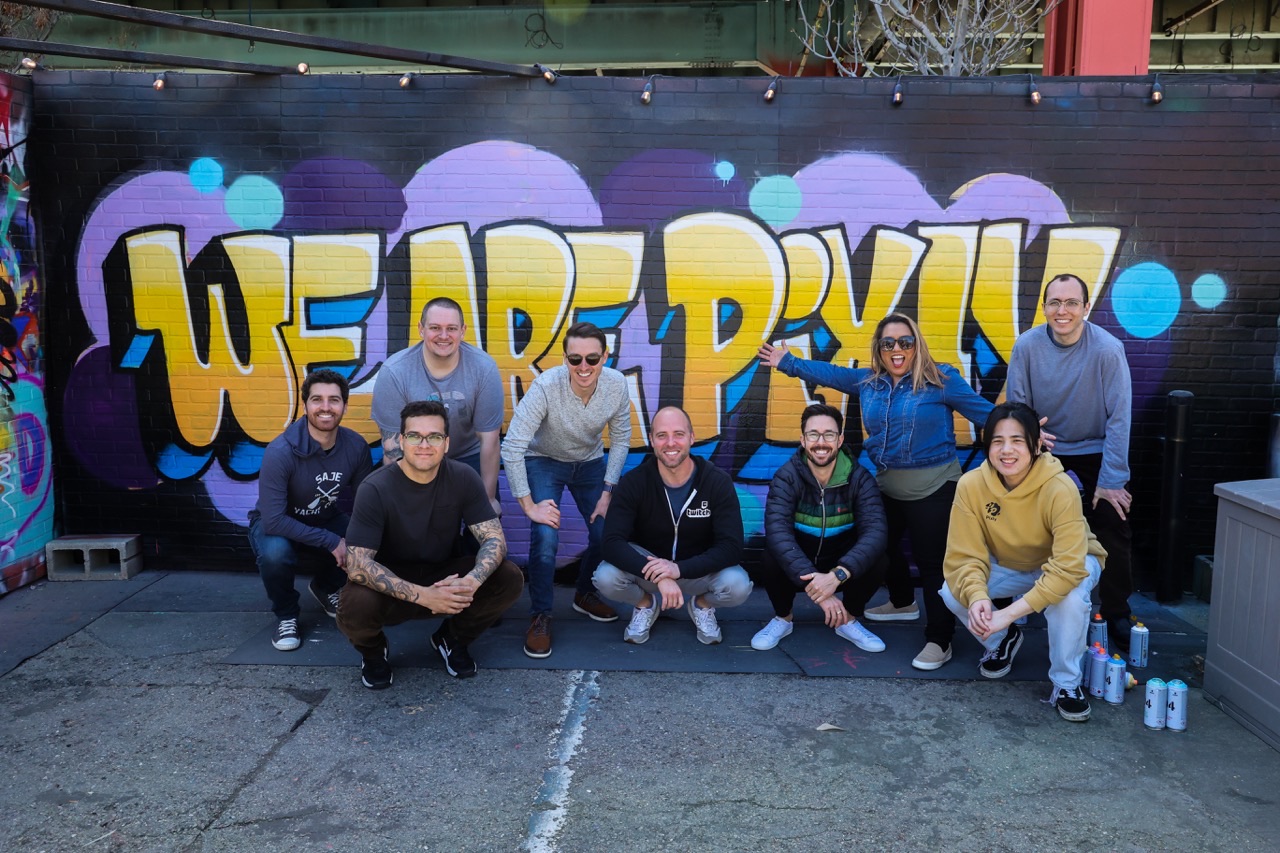
I built out the backend of the company: finance, HR, onboarding processes, documentation, platform automation. Gustav and Garrett ran sales and campaign management. We grew from 2 co-founders to a team of 15, but operated like a team of 150. Just a small crew punching way above our weight, running 10x more efficiently than anyone else in the space.
Garrett built our DTC business from scratch. Sourced, negotiated, and closed every deal that pushed us beyond gaming: MANSCAPED, Keeps, Bespoke Post, Warby Parker.
From there, things snowballed. We landed Opera GX, Opera Browser, House Party, Genshin Impact (miHoYo), CASETiFY, and NordVPN, and the roster kept widening with Drink LMNT, Incogni, Honkai Star Rail, Kingdom Maker (Scopely), Star Trek Fleet Command, and Fall Guys. We expanded from gaming into brand and DTC verticals.
By the time the dust settled, Pixly had activated over 10,000 unique influencer videos and racked up more than 8 billion views across campaigns.
The operational reality
The part that doesn't make the highlight reel is the part I want to be honest about. By 2021, running hundreds of concurrent activations meant constant fire drills: payment routing breaking, tracking links going missing in the middle of campaigns, PayPal refunds, wire reconciliation, creators going dark mid-deliverable, and a steady drumbeat of "URGENT" subject lines in my inbox. The team grew because the operational surface area grew, not because the business demanded prestige hires. That's what scaling a services business actually looks like in practice, and we got better at it the same way anyone does, by absorbing the chaos until the systems caught up.
Going remote
When COVID hit in 2020, we moved out of our downtown San Francisco office and went fully remote. Honestly? We thrived. The team adapted fast, and some of our biggest influencer programs (Opera GX, House Party) ran during that stretch — Opera GX in particular became the quiet flagship of the post-COVID era, the most repeatable case study we had. The systems we'd built held up.
The acquisition
In June 2022, Acceleration Community of Companies (ACC) acquired Pixly. ACC was building a community of specialized agencies: MKG for creative, Pink Sparrow for design and fabrication, Stripe Theory for data and analytics. Their client roster included Pepsi, Target, Nike, Ralph Lauren, Meta, HBO, Delta Airlines, T-Mobile.
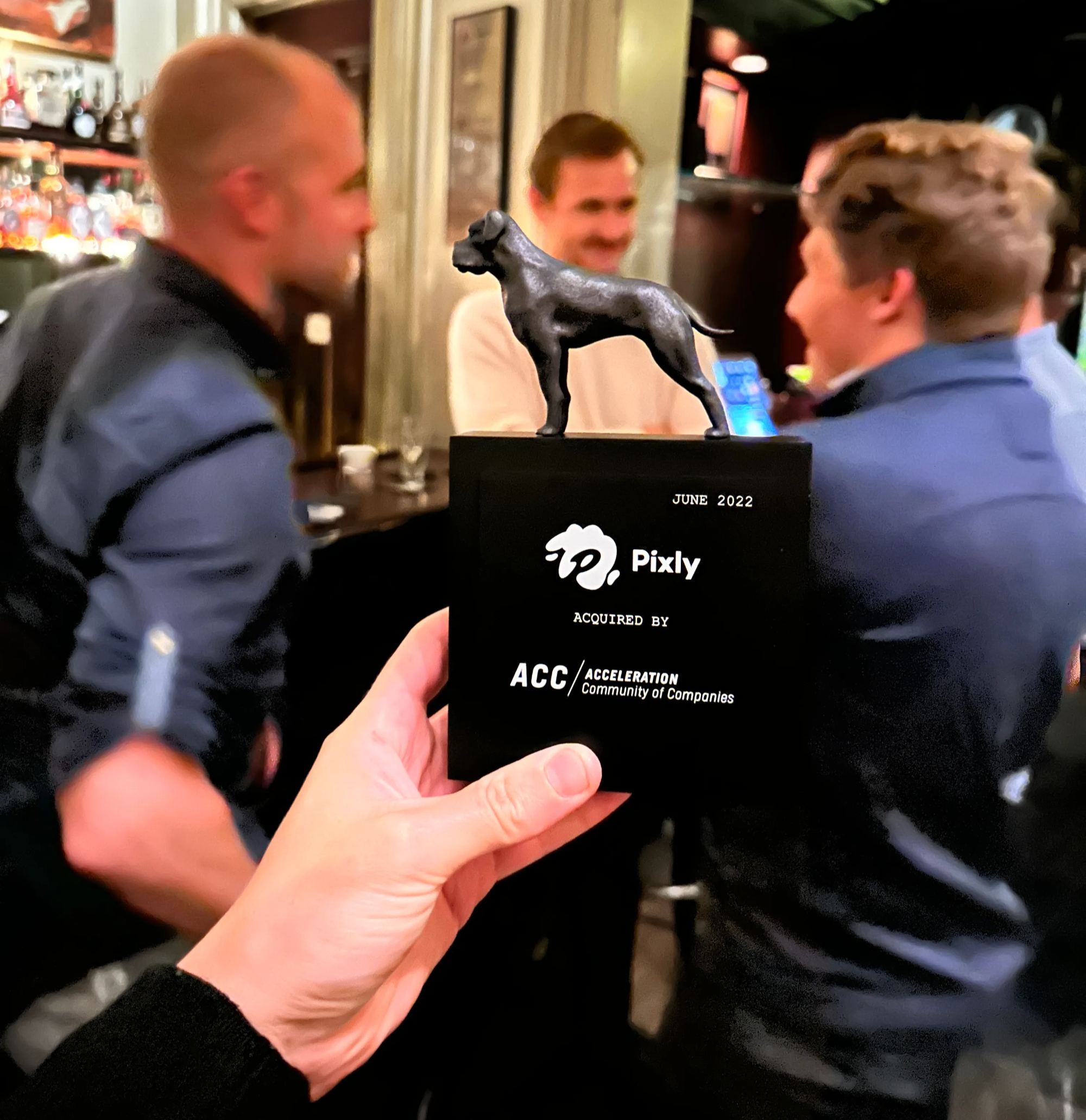
We chose them specifically because of that network. Our performance marketing and influencer expertise plugged right into what they were building, and their deep brand marketing experience opened up a whole new world for us.
Michael Nyman, CEO of ACC, called Pixly "a proven leader in the influencer marketing space" and "the perfect agency to add to our community." GP Bullhound served as our financial advisor on the deal.
Gustav summed it up in the announcement:
Most advertisers lack many of the necessary components required to build successful influencer campaigns and we're thrilled to bring our technology and capabilities to ACC's growing roster of leading global brands. Joining ACC is an incredible opportunity for Pixly to collaborate with other best-in-class agencies as well as ACC Advisory's team of marketers, cultural insiders and category experts. The GP Bullhound team was instrumental in helping us navigate through this process with ACC.
Alec Dafferner, Partner at GP Bullhound, framed the bigger picture:
With brands increasingly looking for a more personal relationship with customers, influencer marketing has accelerated. As a result, we expect to see continued investments in technology and services that allow brands to access and connect with their customers via influencer marketing.
Post-acquisition, we launched Pixly 2.0, expanding our services to include brand marketing tailored to Fortune 500 brands.
What we built
Here's the part I'm most proud of: we bootstrapped the entire thing. No outside capital. We grew ARR from zero to tens of millions, scaled from just the two of us at a cafe to a lean team of 15, and managed over $100M in influencer spend along the way.
We basically created a new category: performance-driven influencer marketing. Brought the precision, accountability, and relentless optimization of ad networks to a space that was running on vibes and vanity metrics. Built a proprietary system that gave brands real-time access to insights and industry-leading KPIs. The influencer market exploded while we were building. By 2022, 72% of marketers were using influencer (up from 17% in 2019), and we were right at the center of that wave.
The relationships are what I'll cherish most. Hundreds of talent agencies, gaming publishers, and brands we worked with over the years. People like Monica, who joined when it was just three of us at Workshop Cafe and grew into a senior partnerships leader. Colin West at Solaro who said our work was "instrumental to this industry."
That stuff matters more than any revenue number.
Stepping away
In December 2024, I shared at the all-hands that I'd be stepping back. Tessa and I had Summer, and my mom was struggling with her health. I wanted to be fully present for both.
It wasn't an easy decision. 9 years of your life doesn't just switch off. But it felt right.
I spent the first few months of 2025 hiring, training, and onboarding Morgan to take over my operational responsibilities. Making sure the machine kept running without me in the seat.
Pixly is thriving and poised for an even bigger future. For me, it was time to focus on what matters most.