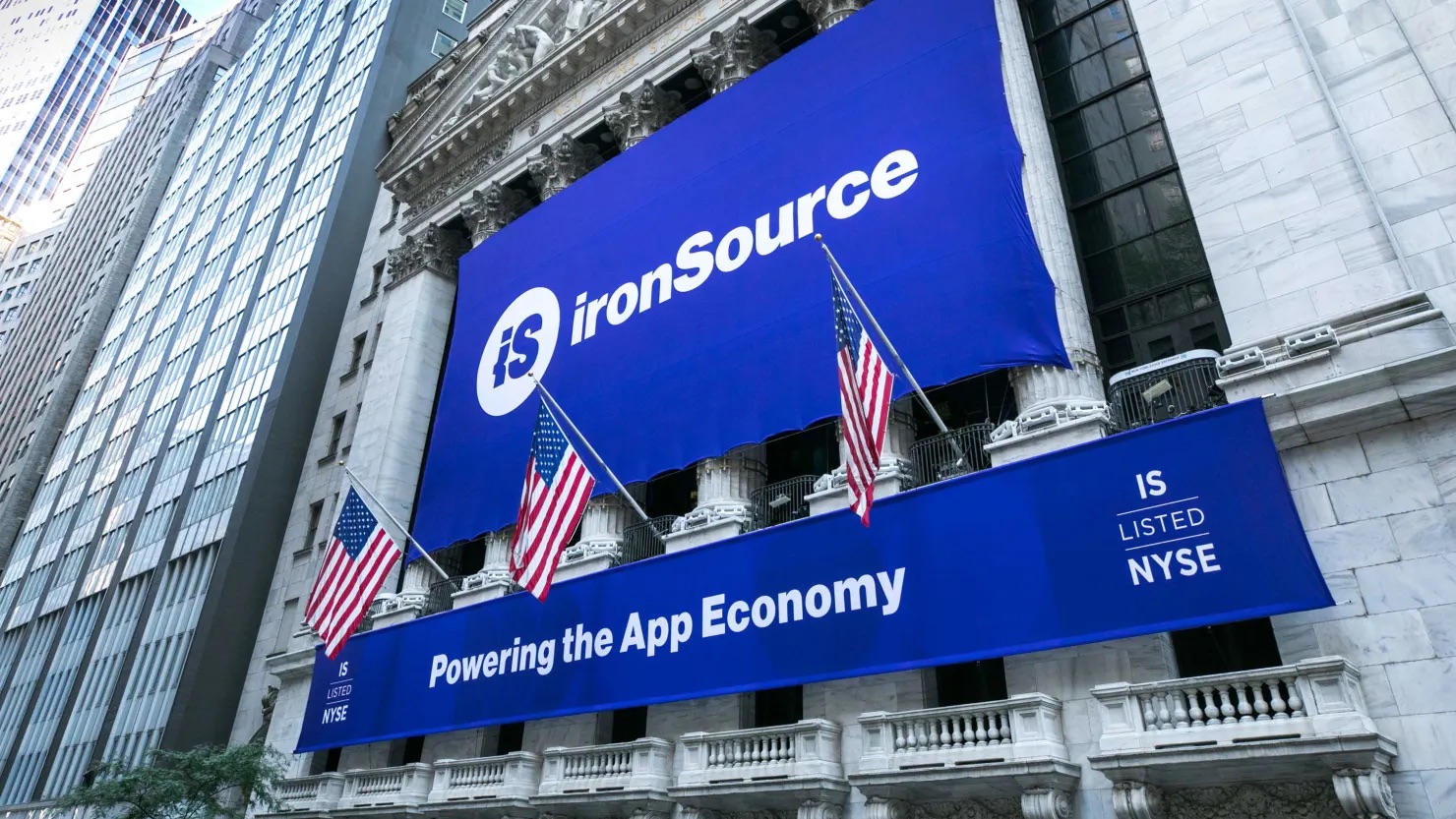
 ironSource
Jan 2016 – Feb 2017 5 min read
The merger and the spark that started Pixly
In September 2015, ironSource and Supersonic announced their merger. TechCrunch called it a "mobile ad consolidation play", and it was one of the biggest deals in mobile ad tech at the time, with the combined company reaching 1 billion monthly users and an estimated $450 million in sales that year. Tomer Bar-Zeev became CEO of the merged company and Gil Shoham (Supersonic's CEO) stayed on.
When the two companies came together in January 2016, we went from about 150 people at Supersonic to being part of an 850-person company headquartered in Tel Aviv. Two completely different groups of people, different tools, different opinions on how things should run. It was a huge shakeup and a lot of my coworkers moved on during the integration, but our close-knit team in the SF office made it through (Gustav, Garrett and I all stuck it out) and found our place in a much larger and more bureaucratic organization.
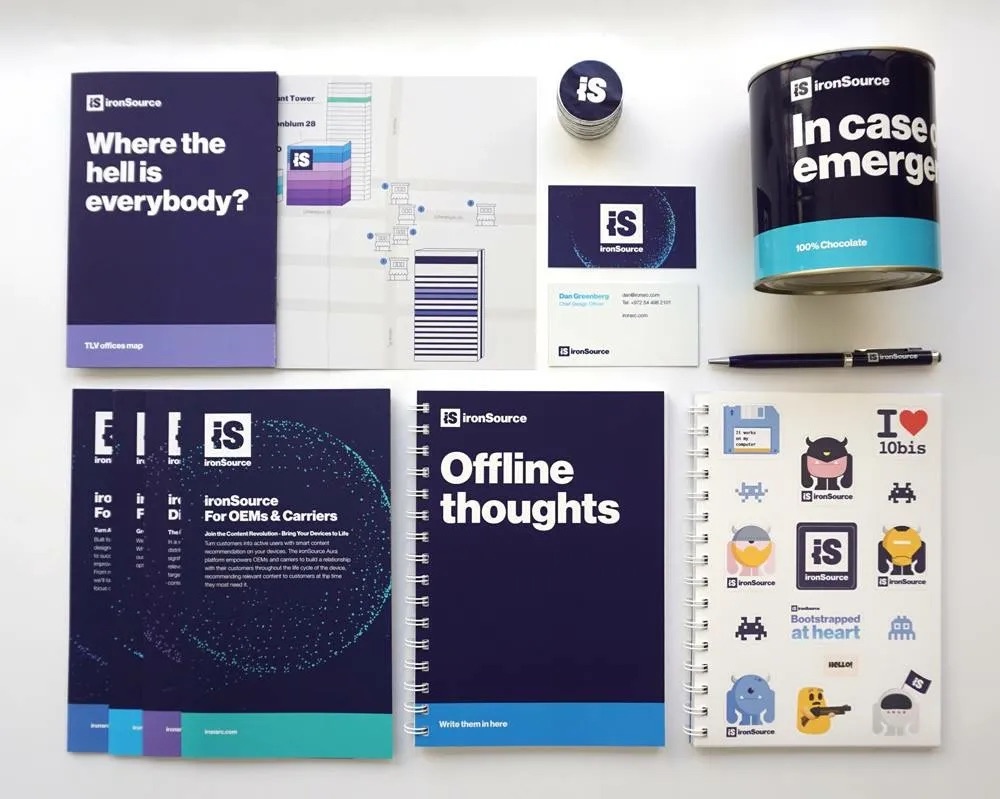
My role moved from pure business development (BD) to leading enablement across the combined company. That actually started in the fall of 2015, when I began running training sessions for new employees on mobile monetization and rewards-based ads (offerwall and rewarded video). Through 2016 I trained the incoming ironSource teams on Supersonic's monetization and user acquisition tools while learning ironSource's stack, so I could support both legacy and new clients, from onboarding publishers to running internal sessions. I was still managing key accounts directly on the supply side too, which meant running double credit promos so publishers could boost their ad revenue, consulting on Apple App Store review rejections, troubleshooting SDKs (the code developers add to their apps to show ads) and setting up new app accounts.
In January 2016, I flew to Tel Aviv for the merger party and company meetings at headquarters on Ehad Ha'am Street. That trip gave me a real sense of the scale we were operating at, and of how two companies on opposite sides of the world were stitching themselves together.
It was my first time going through a merger from the inside. I saw how alignment, empathy and urgency can make or break a transition, and that year still shapes how I think about teams and change.
Once the integration settled, I was promoted to Sr. Business Development Manager on the Developer Solutions team. I started coaching associates, building playbooks for sourcing and closing deals, bringing in new tools to streamline our workflows, and managing my own book of top-performing clients while overseeing team targets. We beat some aggressive revenue targets during a critical stretch after the merger.
Where Pixly started
I first met Gustav back at Supersonic, and by 2016 he was a Senior Manager of Business Development at ironSource. That's where Pixly started, in mid-2016.
We'd take lunch walks around the office, and after work we'd head over to The Creamery, a coffee shop near the office on Bluxome Street, and spend 2 to 3 hours riffing on business ideas. Most of what became Pixly got worked out at those tables.
We kept circling back to the same problem. User acquisition costs were rising fast, and every gaming company was competing for the exact same users on the exact same ad networks (Facebook CPMs, the price of 1,000 ad impressions, were through the roof, and Google got more expensive by the quarter). So Gustav and I looked at each other and basically said, "What if we took everything we know about performance marketing and applied it to influencer marketing?"
I had a gut feeling this thing had legs. If I could pour my focus into signing advertisers and activating influencers, the flywheel would start to run. The plan was that I would leave ironSource first and Gustav would leave the next month. That was the deal, so I left to focus on Pixly 100%.
Leaving
This was the hardest decision I'd had to make in my career, leaving my well-paying job in one of the most expensive cities in the world to build something from nothing. ironSource's position in the market couldn't have been better, it was headed toward a huge exit or IPO, and I worked with my best friends.
A friend told me: "There will never be a good time to leave. You'll always find another excuse to stay."
On February 20, 2017, I sent my goodbye email to the company:
I want to thank everyone for an incredible 3.5 years at Supersonic & ironSource. I remember when I first started at Supersonic we were known as the ad network that monetizes websites and Facebook games. It's incredible to see us now, the leading mediation platform for rewarded video used by nearly all the top gaming publishers worldwide.
Two days later, I wrote on Facebook: "I'm moving on from my role at ironSource to pursue building something on my own. This is by far the hardest decision I've had to make in my career."
My last day was February 23, 2017, and three days later I added race@pixly.tv to my LinkedIn.
My friends, family and even my team at ironSource were all supportive. Gil Shoham, Supersonic's CEO, became a close friend and an advisor to Pixly, and he helped us through building, scaling and eventually selling the business.
What happened to ironSource
In November 2022, Unity completed its $4.4 billion merger with ironSource, putting Unity's game engine together with ironSource's ad monetization and mediation platform (mediation is the layer that lets an app run several ad networks and serve whichever ad pays best). The idea was one place for developers to build and grow their games. AppLovin had actually put a $20 billion counter-offer on the table for Unity, and Unity's board turned it down to go ahead with ironSource.
Kind of wild to think about. The company I left as a Sr. BD manager on Bluxome Street ended up in a $4.4 billion deal with one of the biggest names in gaming, and a lot of that foundation came from the daily conversations, integrations and wins we had with developers in those early years.